
Peptide Blends for Sale – Research-Grade Peptide Combinations
Discover peptide blends for sale for qualified laboratory research, analytical testing and preclinical scientific investigations. This category is designed to help research professionals compare peptide combinations, review available product specifications and identify materials that meet their documented research requirements.
Peptide blends combine two or more peptide compounds in a single formulation or preparation. Depending on their composition, they may be investigated in laboratory studies involving molecular interactions, receptor activity, cellular signalling and other areas of biochemical research.
The suitability of any combination depends on its individual ingredients, formulation, analytical characteristics and intended research application. When sourcing research peptides, transparent product information matters.
Review each listing for its complete ingredient composition, quantity, batch identification, available analytical documentation and storage requirements before placing an order.
Browse available peptide blends and review the documentation for each product to determine whether it meets your laboratory’s requirements.
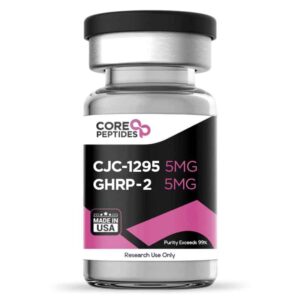
Peptide Blends for Sale
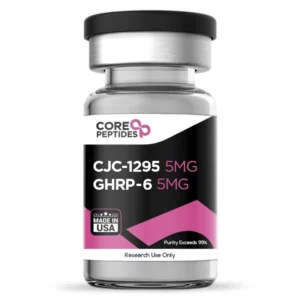
Peptide Blends for Sale
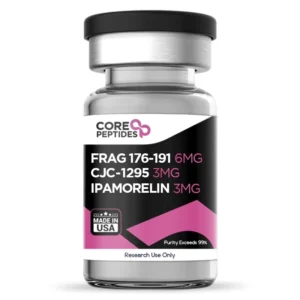
Peptide Blends for Sale
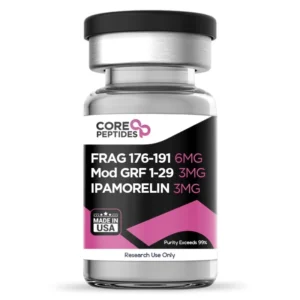
Peptide Blends for Sale
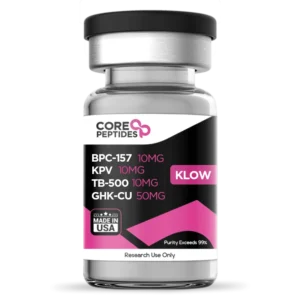
Peptide Blends for Sale
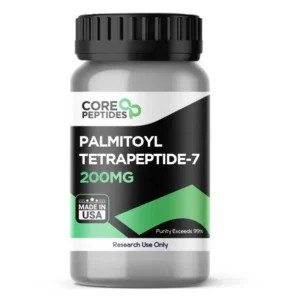
Peptide Blends for Sale
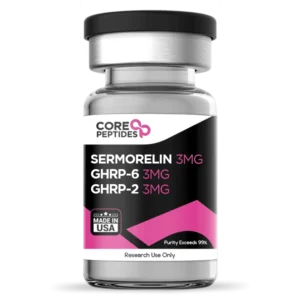
Peptide Blends for Sale
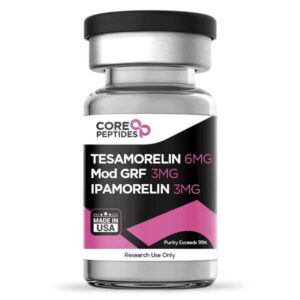
Peptide Blends for Sale
Tesamorelin & CJC-1295 (Mod GRF 1-29) & Ipamorelin Blend (12mg)
Shop Peptide Blends with Clear Product Specifications
Choosing a peptide blend requires more than comparing product names or advertised purity percentages. Research professionals need access to accurate specifications that support purchasing decisions, laboratory planning and appropriate material handling.
When available, our product listings should provide the following information:
- Peptide composition: The identity of each component included in the blend.
- Product quantity: The stated quantity and amount of each peptide, where applicable.
- Analytical documentation: Available Certificates of Analysis (CoAs) and supporting test results for the relevant batch.
- Purity and identity testing: Clearly documented analytical results, including HPLC or mass spectrometry where performed.
- Storage and handling: Manufacturer-provided requirements for maintaining material integrity.
- Product traceability: Batch numbers and other relevant identification details.
- Availability and pricing: Current stock information, applicable prices and purchasing requirements.
Specifications vary between products. Individual product documentation should therefore be consulted rather than assuming that all peptide blends share the same composition, purity, testing methods or storage conditions.
Understanding Peptide Blends
Peptides are chains of amino acids linked by peptide bonds. Synthetic peptides are used in numerous scientific applications, including biochemical assays, receptor research and investigations into molecular signalling.
A peptide blend contains multiple peptide components intended to be evaluated together within a defined research context. Its properties depend on the identity and proportion of its components, their chemical characteristics, the preparation method and the analytical evidence available for the finished material.
For research procurement, it is important to distinguish between a blend that has been characterised as a combined preparation and a collection of separate peptides that have simply been packaged together. Documentation should clearly identify what the product contains and which quality tests have actually been performed.
What to Consider When Buying Peptide Blends
1. Verify the composition
Check the complete list of ingredients and confirm that the product specification identifies each peptide accurately. Where component quantities or ratios are provided, compare them with your research requirements.
2. Review the Certificate of Analysis
A Certificate of Analysis can provide batch-specific information about a product's measured characteristics. Check the document's batch number, testing date, analytical methods and reported results. Confirm that the documentation relates to the actual product and batch being supplied.
3. Evaluate analytical testing
High-performance liquid chromatography (HPLC) may be used to assess chromatographic purity, while mass spectrometry can help verify molecular mass. These methods provide different information and should not be treated as interchangeable.
A purity result alone does not establish sterility, safety for human use, biological effectiveness or suitability for a particular application. For blends, check whether the testing covers the individual components, the finished preparation or both.
4. Check storage requirements
Peptide stability varies according to molecular structure, formulation, moisture exposure, temperature and other environmental conditions. Follow the supplier's documented storage and handling instructions for the specific product rather than applying a single storage rule to every peptide blend.
5. Confirm supplier transparency
Look for a clearly identified supplier, accessible technical documentation, transparent commercial terms and a process for resolving questions about product identity or quality. Institutional purchasers should also confirm that the supplier can meet their documentation and procurement requirements.
Quality and Documentation for Research Procurement
Reliable research procurement depends on traceability, suitable analytical methods and accurate product information. Before ordering a peptide blend, confirm that the supplier's quality claims are supported by documentation and that the materials are appropriate for the intended laboratory work.
Depending on the product, relevant documentation may include:
- A product specification or technical data sheet.
- A batch-specific Certificate of Analysis.
- Available chromatographic purity results.
- Molecular identity or mass spectrometry data.
- Storage, transport and handling instructions.
- Information about the manufacturer's quality management system.
Quality certifications, testing methods and analytical results should be stated only where they can be verified. No general purity claim should be interpreted as proof that a product is sterile, clinically approved or suitable for administration to people or animals.
Ordering Peptide Blends for Laboratory Use
If you are looking for peptide blends for sale, start by identifying the compounds relevant to your research and reviewing the available product documentation. Compare the stated composition, quantity, batch information, testing evidence and applicable purchasing conditions before making a selection.
Institutional buyers should confirm that their organisation meets the supplier's eligibility requirements and that the proposed purchase complies with applicable local regulations, import restrictions and laboratory procurement policies.
Before checkout, review the current price, product availability, delivery terms and any applicable customs or import requirements. Contact the supplier for clarification if a specification, analytical result or product designation is incomplete.
Ready to explore available research peptide combinations? Browse the listed products, review their specifications and contact the supplier's technical team if additional documentation is required.
Frequently Asked Questions
What are peptide blends?
Peptide blends are preparations containing two or more peptide components. Their composition and characteristics depend on the ingredients, proportions and preparation method specified for each product.
What should I check before buying peptide blends?
Review the complete composition, stated quantity, batch identification, available Certificate of Analysis, analytical testing methods, storage instructions and supplier terms. Confirm that the product is suitable for your intended authorised research application.
Do peptide blends come with a Certificate of Analysis?
Documentation varies by supplier and product. Check the individual listing and request the relevant batch-specific Certificate of Analysis where one is not available. Do not assume that every product includes identical testing or documentation.
Does a high purity percentage guarantee product quality?
No. Purity is only one measure of a material's characteristics. Product identity, component composition, relevant contaminants, stability and the quality of the analytical evidence must also be considered according to the intended research application.
Are all peptide blends the same?
No. Blends can differ in their component peptides, proportions, preparation methods, analytical characteristics and storage requirements. Review each product's specification independently.
Can research peptide blends be used for human consumption?
Products designated for laboratory research should not be used for human consumption or self-administration. Research designation does not establish that a substance is approved, safe or effective for medical use. Consult an appropriately qualified healthcare professional for medical treatment questions.
Can peptide blends be shipped internationally?
Shipping eligibility depends on the supplier, destination, product classification and applicable import requirements. Confirm the relevant restrictions and documentation requirements before ordering.
Important Product Notice
Products in this category should be offered only for their verified, lawful and authorised purposes. Research-use designation does not replace applicable regulatory requirements or authorise the sale of medicinal products outside the relevant legal framework. Product descriptions must accurately reflect the actual formulation, available testing and intended use. No unverified claims about medical benefits, clinical effectiveness or safety should be made.